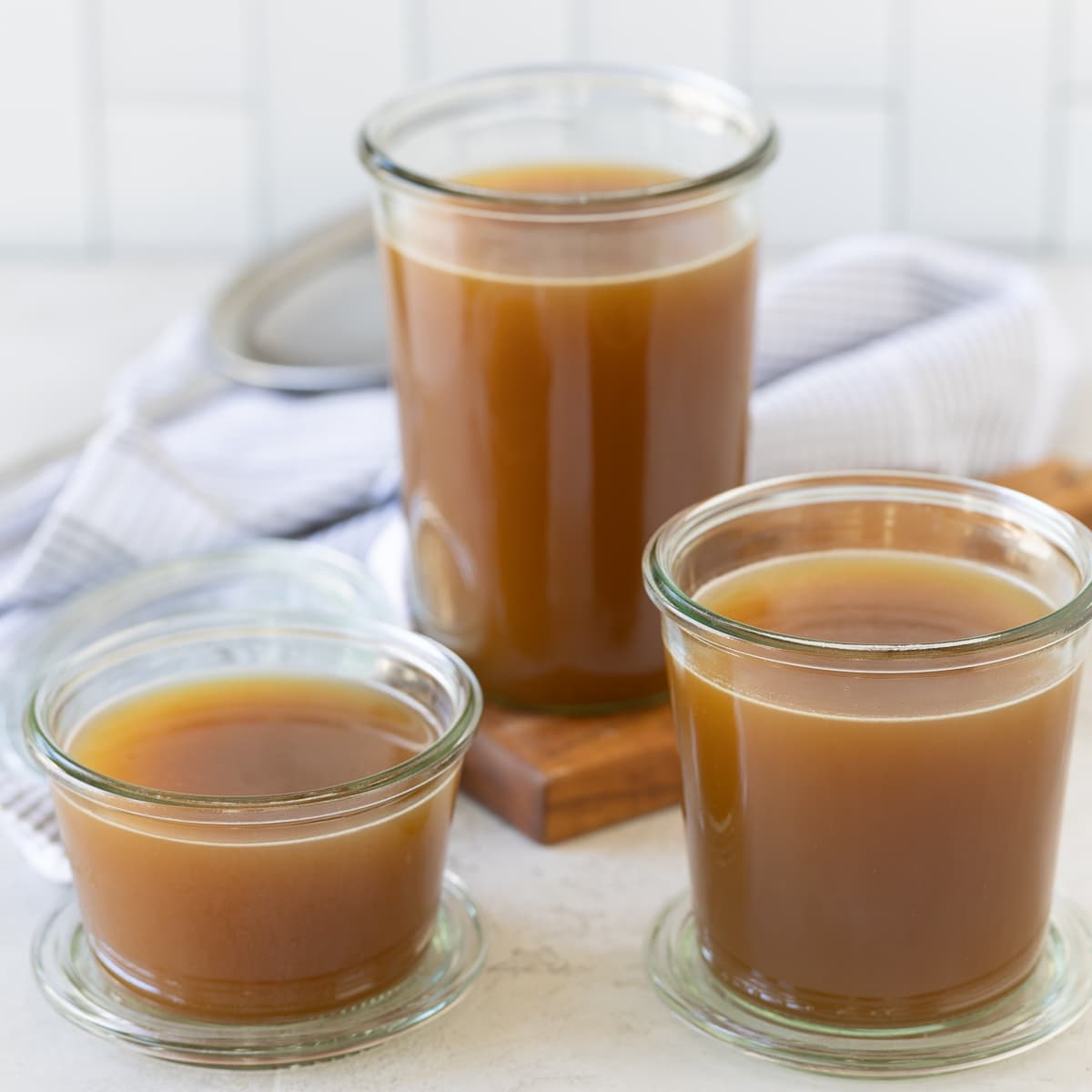
Roast for Richness: Crafting Perfect Homemade Turkey Broth
After the festive feast, when the carving knife has been put away and the last morsel of cranberry sauce savored, many find themselves with a valuable culinary treasure often overlooked: the turkey carcass. Don't relegate those bones to the trash! They hold the secret to unlocking a world of unparalleled flavor and nutrition in the form of homemade turkey broth. Far superior to any store-bought alternative, a well-made
turkey broth recipe is the bedrock for exquisite soups, velvety gravies, and countless other dishes that will sing with a depth only real ingredients can provide. This isn't just about saving money; it's about elevating your cooking and embracing a sustainable, zero-waste approach to your kitchen.
Why Homemade Turkey Broth Reigns Supreme
The allure of homemade turkey broth extends far beyond its delicious taste. It's a truly transformative ingredient that brings a multitude of benefits to your culinary endeavors:
*
Unrivaled Flavor Depth: Store-bought broths often taste bland or overly salty. Homemade broth, especially one starting with roasted bones, boasts a rich, complex, and savory profile that simply can't be replicated with powders or concentrates. The slow simmering process extracts every ounce of goodness, creating a "liquid gold" that enriches anything it touches.
*
Nutrient Powerhouse: Beyond flavor, simmering bones slowly extracts valuable minerals like calcium, magnesium, and phosphorus, along with collagen. These elements contribute to gut health, joint support, and even healthier skin, hair, and nails. It’s not just food; it’s nourishment.
*
Economical and Sustainable: Making broth from a leftover carcass is the ultimate act of kitchen sustainability. You're turning what would otherwise be waste into a valuable pantry staple, saving money on expensive store-bought versions, and reducing your food footprint.
*
Versatility in the Kitchen: From holiday gravies to everyday risottos, a good turkey broth is your secret weapon. It elevates everything from a humble bowl of turkey noodle soup to sophisticated braised dishes, lending a unique savory character that chicken or beef broth can't quite match. This versatile foundation allows you to infuse dishes with a comforting, home-cooked essence.
The Core: Crafting Your Classic Homemade Turkey Broth Recipe
This classic
turkey broth recipe is designed to maximize flavor and extract the most nutrients from your turkey carcass. The key is patience and a few simple, yet crucial, steps.
Ingredients for Your Liquid Gold:
*
1 turkey carcass, broken into large pieces: Don't forget the neck, back, and any giblets (excluding the liver).
*
2 carrots, roughly chopped: Adds natural sweetness and color.
*
2 celery stalks, roughly chopped: Contributes a savory, aromatic base.
*
1 large onion, quartered (skin on is fine!): Adds a deep, essential flavor.
*
4-6 garlic cloves, smashed: Aromatic, pungent, and delicious.
*
2 bay leaves: For a subtle, herbaceous note.
*
1 teaspoon whole black peppercorns: Adds a gentle warmth without overpowering.
*
1 tablespoon apple cider vinegar (ACV): Crucial for mineral extraction.
*
8-10 cups cold water: Enough to fully submerge all ingredients. Adjust based on your pot size.
Step-by-Step Instructions:
1.
Roast for Richness (Do NOT Skip This!): Preheat your oven to a robust 400°F (200°C). Arrange the broken turkey carcass pieces on a large baking sheet. Roast for 30-45 minutes, or until the bones are deeply golden brown and aromatic. This caramelization is the single most important step for achieving a rich, complex flavor that defines a truly exceptional broth.
It’s the secret to transforming bland into brilliant.
2.
Gather Your Aromatics: Transfer the roasted carcass pieces to your largest stockpot (a 12-quart pot is ideal). Add the roughly chopped carrots, celery, quartered onion, and smashed garlic cloves to the pot around the bones.
3.
Season and Submerge: Toss in the bay leaves and whole black peppercorns. Now, here's a vital tip: pour in the cold water. Using cold water helps to slowly extract impurities and allows for a clearer, more flavorful broth as it gradually heats up. Finally, add the apple cider vinegar. The acidity of the vinegar plays a scientific role here, gently leaching beneficial minerals and collagen from the bones, making your broth not just delicious but incredibly nutritious. Ensure all ingredients are fully submerged; add more water if necessary.
4.
Bring to a Gentle Simmer: Place the stockpot over high heat and bring the mixture to a rolling boil. As soon as it boils, immediately reduce the heat to the lowest possible setting, aiming for a very gentle simmer. Watch for foam (impurities) to rise to the surface. Skim this foam off regularly with a large spoon or a fine-mesh skimmer during the first hour or so. This crucial step prevents the broth from becoming cloudy and ensures a cleaner, more appealing final product.
5.
The Long, Slow Infusion: Allow your broth to simmer, uncovered, for a minimum of 4-6 hours, and ideally up to 8-12 hours for maximum flavor and nutrient extraction. The longer and gentler the simmer, the richer your broth will be. Occasionally check the water level; if ingredients start to become exposed, add a bit more cold water to keep everything submerged. Avoid stirring too vigorously, as this can make the broth cloudy.
6.
Strain and Separate: Once the simmering is complete, carefully remove the large bones and vegetables with tongs. Then, meticulously strain the liquid through a fine-mesh sieve into a large heat-proof bowl or another clean pot. For an even clearer broth, line the sieve with a double layer of cheesecloth. Press down on the solids in the sieve with the back of a spoon to extract every last drop of flavorful liquid. Discard all solids.
7.
Cool, Chill, and Defat: Allow the strained broth to cool completely to room temperature before refrigerating or freezing. For the best results and easiest fat removal, refrigerate the broth overnight. As it chills, the fat will solidify on the surface, creating a convenient layer that can be easily skimmed off with a spoon. This step yields a clearer, less greasy broth that’s perfect for all culinary uses.
Elevating Your Broth: Tips for an Unforgettable Flavor Profile
While the classic
turkey broth recipe is fantastic on its own, a few additional insights can take your creation from great to truly extraordinary.
*
The Power of the Roast: We can't stress this enough. Roasting the bones prior to simmering develops a rich, toasted flavor that penetrates the entire broth. This Maillard reaction is what gives your broth a deeper color and complex umami notes.
*
Cold Water Start, Always: Beginning with cold water allows for a gradual heating process, which in turn slowly dissolves proteins and impurities, leading to a clearer, more flavorful broth. Hot water can "shock" the proteins, causing them to coagulate quickly and trap impurities, resulting in a cloudy broth.
*
Vinegar for Vitality: Apple cider vinegar is more than just an acid; it's a chelating agent. It helps break down the connective tissues and allows the bones to release more minerals and gelatin, enhancing both the nutritional value and the mouthfeel of your broth. Don't worry, you won't taste the vinegar in the final product!
*
Patience is a Virtue: The low, slow simmer is not just a suggestion; it's essential. High heat can emulsify fats and proteins, making your broth cloudy and potentially imparting an off-flavor. A gentle simmer allows for maximum extraction without compromising clarity or flavor.
*
No Salt During Simmering: Resist the urge to salt your broth while it simmers. Reducing the liquid over several hours will intensify its flavor, and adding salt too early can lead to an overly salty final product. It's best to season your dishes *with* the broth, allowing you to control the sodium levels for each specific recipe.
*
Expand Your Aromatic Arsenal: Feel free to experiment with other aromatics. A few sprigs of fresh parsley, thyme, or even a leek can add another layer of herbaceousness. For a spicy kick, consider adding a teaspoon of crushed red pepper flakes to the pot (as inspired by spicy bone broth recipes).
*
The Clarity Commitment: Consistent skimming during the initial boil is crucial. If you miss some foam, don't fret too much, but aim for as clear a start as possible. Cooling and defatting will also contribute significantly to clarity.
Beyond the Pot: Storing and Using Your Liquid Gold
Once you’ve lovingly crafted your batch of homemade turkey broth, it’s time to store it and put it to work!
*
Storage Solutions:
*
Refrigeration: Cooled broth can be stored in airtight containers in the refrigerator for up to 4-5 days.
*
Freezing: For longer storage (up to 6 months), freeze your broth. Pour it into freezer-safe containers, leaving some headspace for expansion. For convenient portioning, freeze broth in ice cube trays, then transfer the frozen cubes to a freezer bag. This allows you to add a burst of flavor to any dish, one cube at a time.
*
Culinary Applications:
*
The Ultimate Soup Base: This is where your broth truly shines. Use it for a classic turkey noodle soup, a hearty vegetable soup, or a creamy wild rice and turkey soup.
*
Gravies and Sauces: Say goodbye to bland holiday gravies! Reduce your homemade broth for an intensely flavorful gravy or use it as the base for pan sauces to accompany roasted meats.
*
Risottos and Grains: Elevate your risottos, couscous, or quinoa by cooking them in turkey broth instead of water.
*
Braising Liquid: Use it to braise tougher cuts of meat, infusing them with incredible flavor and tenderness.
*
Beyond the Meal: Many people enjoy sipping warm bone broth straight from a mug as a comforting, nourishing beverage, especially during colder months or when feeling under the weather.
Crafting your own turkey broth is not just a recipe; it's an experience that connects you more deeply with your food and enhances every dish you create. For more in-depth guidance on mastering this kitchen essential, explore
The Ultimate Guide to Flavorful Homemade Turkey Broth, and learn how this simple act transforms leftovers into culinary gold with
Homemade Turkey Broth: Superior Flavor, Zero Waste.
In conclusion, turning a discarded turkey carcass into a rich, aromatic, and nutritious homemade turkey broth is one of the most rewarding endeavors in the kitchen. It's a testament to mindful cooking, a boost to your culinary repertoire, and a delicious way to embrace sustainability. By following this comprehensive
turkey broth recipe and incorporating these expert tips, you'll be well on your way to creating a pantry staple that will undoubtedly become a foundational component of your most memorable meals. So, next time you finish that holiday bird, remember: the real magic is just beginning.